Source Photovoltaic Power Inverter CBB65 Capacitor for Air Conditioner, Fan, and Motor
Find 30 available options for the Photovoltaic Power Inverter CBB65 Capacitor suitable for air conditioners, fans, and motors. Buyers can compare specifications including capacitance, voltage ratings, and packaging types from verified manufacturers in China.
Key considerations
Products List


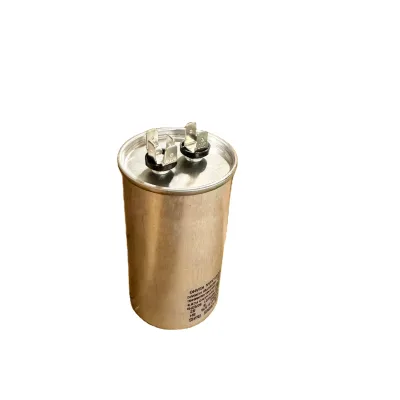
Wind Photovoltaic Power Capacitors Industrial Drive Inverters Capacitor
$10.95 - $12.95
MOQ: 10 Pieces




Comprehensive Sourcing Guide
Strategic Sourcing Guide for Photovoltaic Power Inverter CBB65 Capacitors
Understanding the CBB65 Component in Photovoltaic Systems
The CBB65 capacitor is a critical passive component within the architecture of photovoltaic (PV) power inverters, serving primarily as a DC link or motor run capacitor. In the context of solar energy conversion, these units are engineered to manage energy storage and filtering within the inverter circuitry. The core material composition is polypropylene, which provides the necessary dielectric properties for high-frequency bypass, low-frequency bypass, filtering, tuning, and coupling applications. This material choice is fundamental to the component's ability to withstand the electrical stresses inherent in renewable energy systems.
While the primary keyword focuses on photovoltaic inverters, the supplied data indicates a broader application spectrum that includes air conditioners, automobiles, fans, lighting, and general-purpose motors. The CBB65 designation specifically refers to a fixed capacitor structure. In PV inverters, the device functions to smooth the DC voltage ripple before it is converted to AC, ensuring stable power delivery to the grid or local loads. The structure is defined as a fixed capacitor, meaning it does not offer variable capacitance during operation, which distinguishes it from tuning capacitors used in radio frequency applications. The manufacturing material is explicitly polypropylene, a choice that offers high insulation resistance and low loss factors, essential for maintaining efficiency in high-voltage environments.
Technical Specifications and Performance Parameters
When evaluating CBB65 capacitors for solar inverter integration, buyers must scrutinize specific technical parameters that dictate performance and longevity. The rated voltage is a primary constraint; observed data points to rated voltages ranging from 220V up to 450V, with specific models supporting a range of 370-450V. This voltage tolerance is critical for DC link applications where the inverter must handle fluctuating input from solar panels. The capacitance values are equally vital, with observed ranges spanning from 2-100µF to specific models exceeding 100µF. Some listings indicate a capacitance range of 3-200µF, while others specify bands such as 20-80µF or 50-100µF.
Frequency response is another key specification. The standard rate frequency for these components is 50/60Hz, aligning with global grid standards. However, the usage category also lists high-frequency bypass and coupling, suggesting versatility in handling transient spikes. The climatic category is a crucial metric for outdoor solar installations, with observed ratings including 40/70/21, 40/85/21, 25/70/21, and 25/85/21. These codes typically denote the minimum operating temperature, maximum operating temperature, and humidity resistance, ensuring the capacitor functions reliably in diverse environmental conditions.
The dielectric strength is verified through the "Between Terminals" test, which specifies a requirement of 2*Un(VAC)/5s. This indicates the capacitor must withstand twice its rated voltage for five seconds without breakdown. Tolerance levels are observed to be tight, with some specifications listing 0~±3%, ensuring precise capacitance values for stable inverter operation. The packaging type varies, with surface mount options available alongside terminal-based configurations, allowing for flexibility in PCB design or direct wiring to motor terminals.
Compliance, Certification, and Regulatory Standards
Navigating the regulatory landscape is essential for B2B procurement of electronic components. The CBB65 capacitors listed in the market data adhere to several recognized standards. The primary product standard is CBB65, which defines the general construction and performance requirements. Additional standards include CBB61 and CBB65O, indicating variations in the product line or specific application adaptations. For international trade, the approval standards cited include GB/T3667, U-L810, and En60252. These standards cover safety, performance, and environmental requirements, ensuring the components meet rigorous testing protocols.
Certification status is a significant factor in supplier evaluation. The observed data confirms that products carry CE and ISO9001 certifications. The CE mark indicates conformity with health, safety, and environmental protection standards for products sold within the European Economic Area. ISO9001 certification validates that the manufacturer maintains a quality management system that meets international standards for consistency and reliability. Buyers should verify that the specific batch of capacitors being procured carries these certifications, as they are indicative of a supplier's commitment to quality control.
It is important to note that while the data mentions "DC-Link capacitor" as a standard, this is a functional classification rather than a specific regulatory standard. The actual regulatory compliance is tied to the GB, UL, and EN standards listed. Procurement teams must ensure that the documentation provided by the supplier explicitly references these standards to avoid compliance risks in the final PV system installation.
Cost Drivers and Economic Factors in Procurement
The pricing of CBB65 capacitors is influenced by a complex interplay of technical specifications, volume, and supply chain dynamics. The observed listed price range in the market is broad, spanning from $0.03 to $100 USD. This wide variance reflects differences in capacitance, voltage rating, physical size, and manufacturing complexity. Lower-cost units typically correspond to smaller capacitance values and lower voltage ratings, while high-end units designed for high-voltage DC links with large capacitance values command higher prices.
Minimum Order Quantity (MOQ) is another significant economic factor. The observed MOQ range is 1 to 1000 units. Buyers sourcing for small-scale projects or prototyping may find suppliers willing to ship single units, whereas large-scale PV installation projects will benefit from bulk purchasing at the higher end of the MOQ spectrum. The ability to customize the product is a value-add that can influence cost. The data confirms that customization is available, which may incur additional setup fees or higher unit costs but allows for tailored solutions specific to unique inverter designs.
Lead times also impact the total cost of ownership. A standard delivery time observed is 30 days. However, this can fluctuate based on order volume, customization requirements, and raw material availability. Buyers should factor in potential delays when planning inventory for large projects. The packaging type, whether surface mount or terminal-based, and the final packaging (carton or carton box) can also affect shipping costs, particularly for heavy or bulky units.
Typical Applications and Integration Scenarios
While the core keyword focuses on photovoltaic power inverters, the CBB65 capacitor is a versatile component with applications extending beyond solar energy. The primary application in the PV sector is as a DC link capacitor, smoothing the DC voltage from the solar array before inversion. However, the data also highlights extensive use in air conditioners, automobiles, fans, lighting, and general-purpose motors. This versatility suggests that the same supply chain can serve multiple industries, potentially stabilizing prices and availability.
In the context of HVAC and appliances, these capacitors function as run capacitors or compressor capacitors. The usage categories include high-frequency bypass, low-frequency bypass, filtering, tuning, and coupling. This indicates that the component is robust enough to handle the dynamic loads found in motor-driven systems. For PV inverters, the "Filter" and "DC Link" classifications are paramount, ensuring that the inverter output is clean and stable. The "Home" application category further reinforces the suitability of these components for residential solar systems, where reliability and safety are paramount.
The climatic categories observed (e.g., 40/70/21, 25/85/21) make these capacitors particularly suitable for outdoor installations where temperature fluctuations and humidity are concerns. The ability to operate in extreme conditions ensures that the PV inverter remains functional in diverse geographical locations, from hot deserts to temperate climates.
Supplier Evaluation and Quality Assurance
Selecting the right supplier is critical for ensuring the long-term reliability of the PV inverter. The data indicates that manufacturers are located in Guangdong and Zhejiang, China (Mainland), as well as general China origins. Buyers should verify the specific origin of the product, as regional manufacturing hubs may have different quality control standards. The presence of OEM (Original Equipment Manufacturer) services is a positive indicator, suggesting that suppliers are capable of customizing products to meet specific client requirements.
Quality control should be a primary focus during the evaluation process. Buyers must verify that the supplier adheres to the ISO9001 standard and that the products meet the GB/T3667, U-L810, and En60252 standards. The "Between Terminals" test result of 2*Un(VAC)/5s should be part of the quality assurance protocol. Additionally, the tolerance of 0~±3% should be consistently maintained across batches. Buyers should request test reports or certificates of conformity to validate these claims before placing large orders.
The packaging type is also a consideration for quality. Surface mount and terminal-based packaging must be handled with care to prevent damage during transit. The use of carton boxes for final packaging helps protect the components from environmental factors. Suppliers offering customization should be able to provide detailed specifications for the modified products to ensure they meet the required performance criteria.
Long-Term Procurement and Supply Chain Resilience
Long-term procurement strategies for CBB65 capacitors must account for supply chain resilience and product lifecycle management. The availability of customization allows buyers to adapt to changing technical requirements without switching suppliers. However, the 30-day delivery time observed suggests that lead times should be factored into inventory planning. For large-scale projects, establishing a relationship with a supplier who can guarantee consistent quality and timely delivery is essential.
The broad application range of CBB65 capacitors, from PV inverters to air conditioners and fans, provides a buffer against market fluctuations. If demand in one sector slows, the supplier may still have capacity to fulfill orders in another, reducing the risk of supply shortages. Buyers should monitor the market for changes in raw material costs, particularly polypropylene, which could impact pricing.
Finally, the continuous evolution of PV technology may require updates to capacitor specifications. Buyers should maintain open communication with suppliers to stay informed about new product developments, such as higher voltage ratings or improved climatic categories. By focusing on suppliers with strong certification records and a history of meeting technical standards, buyers can ensure the long-term reliability and efficiency of their photovoltaic power systems.
FAQs
What are the key specifications for Photovoltaic Power Inverter CBB65 Capacitor?
These capacitors typically feature rated voltages between 220V and 450V with capacitance ranging from 2 to 200 microfarads. They are constructed with polypropylene material and adhere to standards like CBB65 and CBB61 for reliable DC link performance.
Can I find certified Photovoltaic Power Inverter CBB65 Capacitor manufacturers?
Yes, suppliers offer products with CE and ISO9001 certifications to ensure quality and safety compliance. These certified units meet international standards such as GB/T3667 and En60252 for use in demanding photovoltaic inverter applications.
Which locations supply Photovoltaic Power Inverter CBB65 Capacitor components?
Manufacturers are primarily located in Guangdong and Zhejiang, China, offering direct sourcing from the mainland. These regions provide a concentrated supply chain for high-frequency bypass and DC link capacitor production.
How does customization affect Photovoltaic Power Inverter CBB65 Capacitor orders?
Customization is available to tailor capacitance, voltage, and packaging to specific inverter designs. Buyers can request OEM services to modify parameters like tolerance or climatic categories for unique project requirements.
What is the typical lead time for Photovoltaic Power Inverter CBB65 Capacitor delivery?
The standard delivery time is approximately 30 days from order confirmation to shipment. This timeline may vary slightly based on order volume, customization needs, and current raw material availability from the factory.
What certifications are required for Photovoltaic Power Inverter CBB65 Capacitor suppliers?
Suppliers must provide CE and ISO9001 certifications to validate their quality management systems. Products should also comply with approval standards like U-L810 and En60252 for safety and performance verification.
Which packaging types are available for Photovoltaic Power Inverter CBB65 Capacitor?
Available packaging includes surface mount options and terminal-based configurations packed in cartons. These packaging types ensure safe transport and easy integration into various inverter circuit designs.